’We lost on price’ is usually cover. Deals die from talking too much, pitching too early, and dodging the budget conversation. Raise price before proposal.

Key takeaways
In demos, show only the one or two things they said they need, skim the rest, and let the buyer steer. The vomit-everything demo is where excitement kills deals.
Cameras on. A hand to the face when describing a pain is data. Video off flattens every signal to equal weight.
Raise pricing before proposal. “This is where pricing starts, and if budget’s an issue, tell us and we’ll work with you” visibly relaxed a buyer and set expectations both ways.
Qualification is a pull, not a push. Chasing makes buyers back away. “Here’s what I’d do at your stage, and I don’t want to rush you” builds the trusted adviser position.
Closing is a commitment in both directions. You’re not convincing them, and once they sign you’re on the hook. The after-sale experience decides whether one customer becomes three referrals or a warning.
End-of-quarter discounts pushed the hosts to a different vendor entirely.
When you listen more, prospects reveal everything. The trust amplifies. Budgets and urgency surface naturally rather than you trying to pressure it.
David Fastuca, co-founder and CEO, Ricavi
Closing is a commitment. It’s not convincing. Once you close an opportunity, that’s a commitment you’re going to follow through on.
Regan Barker, co-founder, Ricavi
What actually loses the deal?
Enthusiasm, mostly. David Fastuca has reviewed a lot of demo calls, including his own, and the pattern is talking too much, pitching too early, and trying to prove value by showing everything. The seller hears one problem, decides they can solve it and six more, and starts performing. The buyer stops talking. Regan Barker admits to the same instinct, realising mid-explanation she hasn’t taken a breath.
The alternative is discipline. Listen 60 percent of the time. Ask open questions that make the buyer describe a day rather than tick a box. And keep the camera on, because a face tells you which pain is real and which is polite.
When should budget come up?
Earlier than feels comfortable. Sellers skip it because it feels pushy, have a nice call, and go straight to proposal. David’s move on a recent call was the opposite: name where pricing starts and invite the buyer to say if that’s a problem. Regan watched the buyer’s shoulders drop. They’d been braced for a pitch and got a conversation about which package fit where they were. Gong’s data, as she cites it, backs the instinct: reps who talk about price earlier win more.
The contrast is the vendor who called on a Friday with a 5 percent discount if they signed by Monday. The founders weren’t ready. They bought elsewhere, from the company that listened.
What does closing mean once the contract is signed?
Delivery. Regan’s phrase is that closing is a commitment, not convincing, and it cuts both ways. You didn’t push the buyer over the line, and now you owe them the service you described. David’s counter-example is a billing platform whose sales process was excellent and whose after-sales support collapsed, to the point he’s cancelling and going back to what he had. In a small market, that story travels. Get onboarding right and one customer introduces three. Get it wrong and they’ll tell everyone who asks.
Questions this episode answers
When should you discuss budget in a sales process?
Before proposal, not after. Naming where pricing starts early sets expectations, filters mismatches before they cost you a proposal, and is associated with higher win rates in Gong research discussed on the episode.
Why do high-ticket deals really fall over?
Rarely price. Poor listening, premature pitching, and unaddressed misalignment inside the buying group are the usual causes, and all three happen well before the proposal.
What’s the ideal talk-to-listen ratio in a sales call?
About 40 to 60 in the buyer’s favour. Listening is how budget, urgency, and the real problem surface without pressure.
Share article
Turn meetings
into revenue.
Coach every rep, capture every call, and know exactly what's going to close.
We offer hands on onboarding
“Ricavi is the AI sales platform that coaches your team in real time. Our customers see 7.8x pipeline growth in under 90 days.”
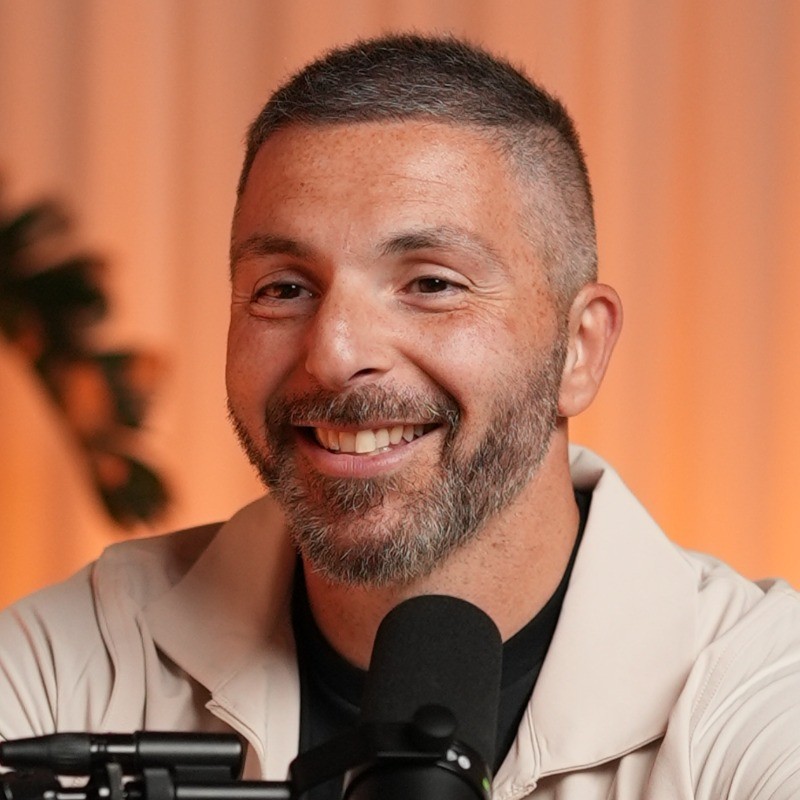
David Fastuca
CEO & Co-Founder
