You win or lose the sale in the first meeting. Research, a short agenda, discovery or insight, proof, then a next step both sides agree to.
Key takeaways
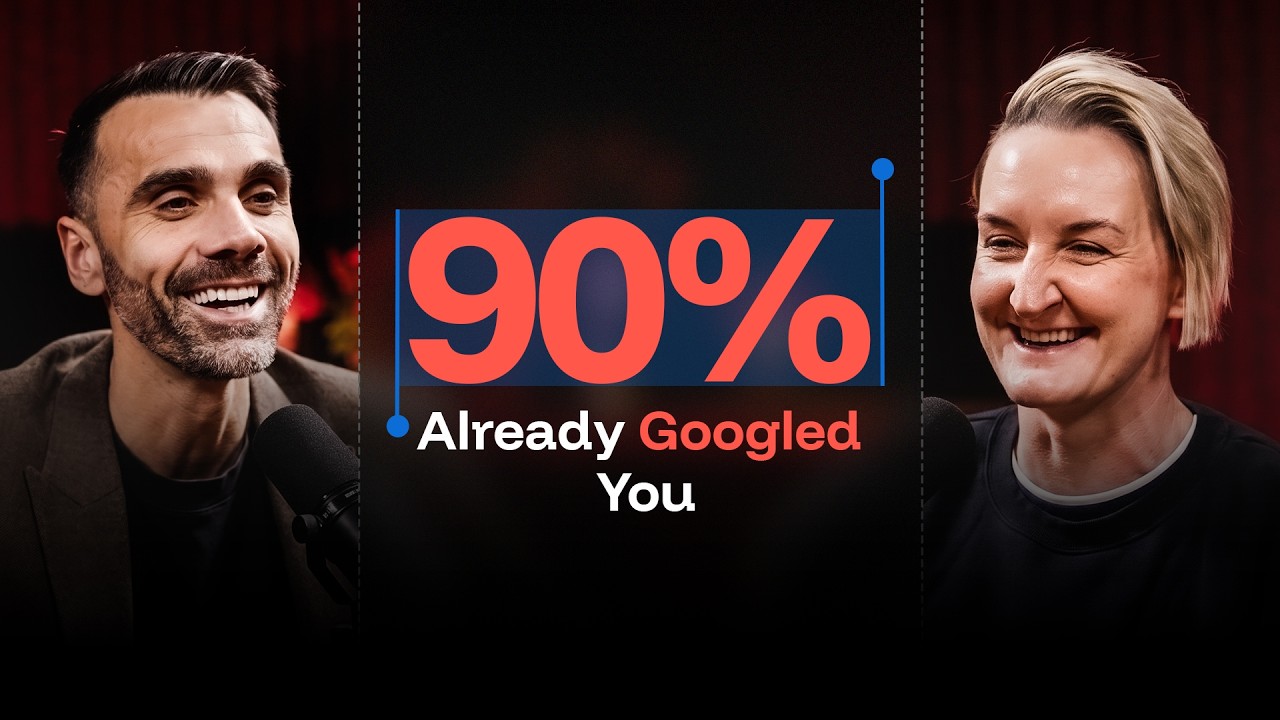
Between 80 and 90 percent of buyers look you up before the meeting, according to the hosts. The meeting’s job is to learn about them, not to tell them about you.
The five stages: research, intro and tone-setting, discovery or insight (in either order), social proof, agreed next step.
Lead with a give. “Regardless of whether we progress, I want to make sure you take away some value from this conversation.” Reciprocity is a law, not a tactic.
Never disparage competitors. Lean the other way and encourage the buyer to compare. Ego reads as insecurity.
The first meeting is also your moment to qualify out. Firmographic fit is not enough. If the mindset is wrong, walk away and keep the relationship warm.
End with a specific, mutually agreed next step. A great conversation with no next step is a lost deal.
You win the sale in the very first meeting. The moment you open the meeting will decide whether you win or whether you lose.
Luigi Prestinenzi, co-founder, Ricavi
Give before you extract. When we give something and don’t expect anything in return, the other person will feel obligated to give something back.
Luigi Prestinenzi, co-founder, Ricavi
What goes wrong in most first meetings?
They start with “me.” Luigi Prestinenzi has audited thousands of calls, face to face, by phone, and on video. The pattern is consistent. The seller opens with what they do and what they sell. It’s important information. It’s also the wrong moment for it. By the time a meeting lands in someone’s calendar, they’ve usually checked your LinkedIn profile and searched your company. They don’t need the pitch. They need to know you understand their problem.
Regan Barker witnessed the alternative on a car ride to the studio. Luigi took a sales call, and 22 minutes into a 25-minute drive he finally asked whether it would help if he introduced himself. Everything before that was listening, drilling down, and sharing insight.
What does the winning structure look like?
Stage zero is research. Know where they’ve worked, what they’ve tackled, who you have in common. On that same call, a shared former employer changed the dynamic in one sentence. Stage one is the intro. Set a loose agenda so everyone knows what the next 30 minutes are for. Stage two is discovery or insight, and the order can flip. Ask why this became a priority and let them talk, or drop an insight first and watch them lean in. Stage three is proof: how you’ve helped companies like theirs. Stage four is the agreed next step, written down and confirmed before anyone hangs up.
What is “give before you extract”?
It’s reciprocity applied to selling. Luigi’s go-to line is that the buyer should leave with value whether or not the deal progresses. On that call, the insight he shared prompted the buyer to volunteer that she was already talking to a competitor and had been underwhelmed. That intelligence arrived because he gave first.
The first meeting is also where you decide if the deal is worth chasing. Luigi qualified out a chief executive the week before, not on company size but on mindset. That’s not a no forever. It’s a name in the relationship funnel for later.
Questions this episode answers
How should you open a first sales meeting?
Not with your pitch. Set a short agenda, then either ask why this became a priority or lead with an insight about their problem. Introduce yourself later, when they ask.
What should a first sales meeting achieve?
A validated problem statement, a decision on whether the deal is worth pursuing, and a next step both sides have agreed to. Everything else is optional.
Should you mention competitors in a first meeting?
Only to encourage the buyer to compare. Criticising competitors makes you look insecure. Confidence is telling them to shop around and knowing you’ll win the comparison.
Share article
Turn meetings
into revenue.
Coach every rep, capture every call, and know exactly what's going to close.
We offer hands on onboarding
“Ricavi is the AI sales platform that coaches your team in real time. Our customers see 7.8x pipeline growth in under 90 days.”
David Fastuca
CEO & Co-Founder
