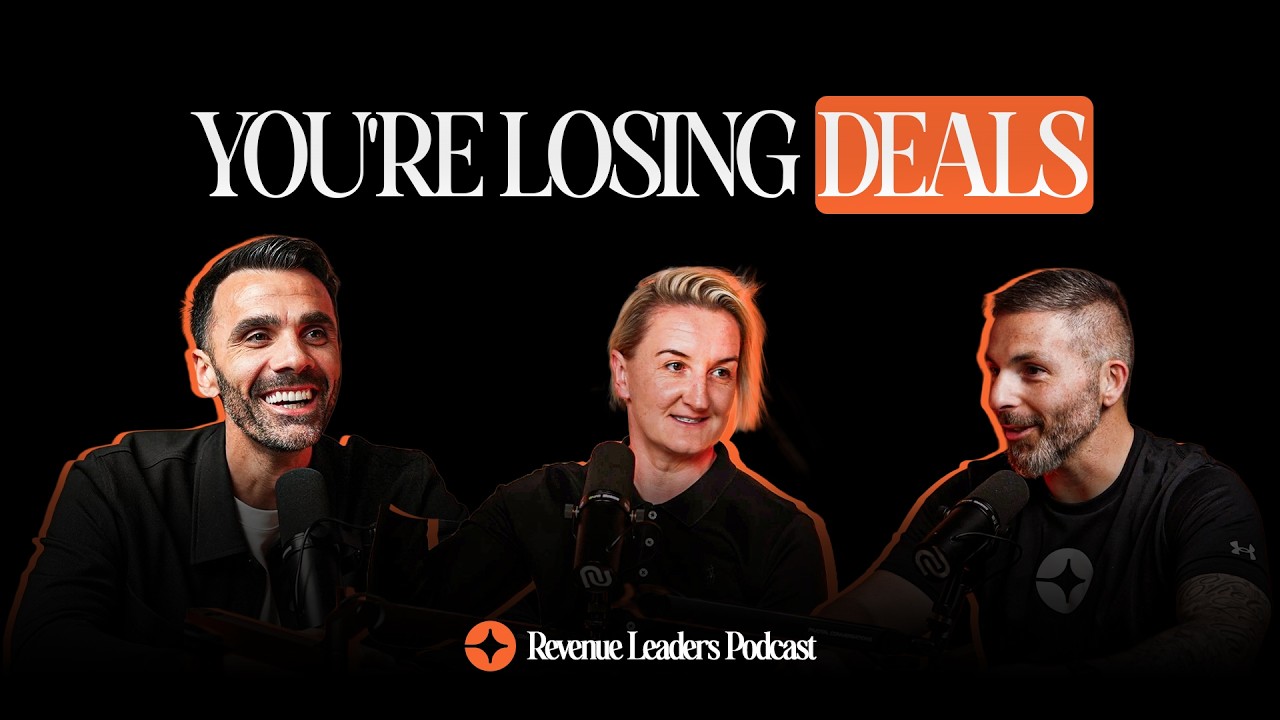
Five deal-killers: calling without a reason, no system, turning up unprepared, ignoring existing accounts, and proposals that say ’we’ on every line.
Key takeaways
Mistake one: cold calling badly. Ten to 12 segmented, researched, trigger-relevant calls in an hour produced about 80 percent contact, booked meetings, and two callbacks with no voicemail. The channel works. Reasonless calling doesn’t.
Mistake two: no system. Without a documented process everyone runs reactive, individual tactics. With one, revenue and client lifetime value both lift and non-traditional sellers gain confidence.
Mistake three: no preparation. Asked what to do without time to prepare, a chief executive in the audience answered for the hosts: “then don’t show up.”
Mistake four: winning and then forgetting. Land-and-expand needs a documented view of what the account could become, captured at the moment of the win.
Mistake five: the “we” proposal. Search your proposal for “we.” If it’s everywhere, it’s about you, not them.
The thread through all five is intention. Most sellers can have the conversation. They don’t go in with a plan.
If you haven’t got the time to prepare, don’t show up.
A chief executive at a sales conference, quoted by Luigi Prestinenzi
Do a search on your proposal for the word ’we.’ If it’s just we do this, we do that, I don’t want to work with them. It’s cookie-cutter.
Regan Barker, co-founder, Ricavi
Mistake one: calling without a reason
The founders tested it the day before recording. A short block of calls to senior finance leaders, mobile to mobile, number showing, no dialler. Contact rate around 80 percent, several meetings booked, two people who called back unprompted. The difference from the “cold calling is dead” crowd was everything before the dial: a segmented list, enriched data, and a clear reason each person should care. Unsolicited is fine. Unmotivated isn’t.
Mistake two: running without a system
Regan Barker’s soccer-field image recurs across the whole series for a reason. Without a process from first conversation to proposal to decision, the ball goes one way and everyone runs after it. When her firm mapped that process, revenue and client lifetime value rose, and people who never called themselves salespeople started having real commercial conversations. The system also gives you something to diagnose when a stage underperforms.
Mistake three: showing up unprepared
Luigi Prestinenzi and Regan were on stage when someone asked what to do without time to prepare. The chief executive in the room stood up and said don’t show up. Harsh, and correct. Five minutes of research is the price of someone’s time, and turning up without it widens the trust gap you’re there to close.
Mistake four: ignoring the account you already won
Selling to an existing customer is easier than anything else in the business. Trust exists, results exist, and the return on investment has been proven. Yet most teams win the account and stop. Luigi’s fix is to document, at the win, what the account could become and why, then hand that view to whoever manages it.
Mistake five: weeing all over the client
Regan credits a colleague for the phrase. Proposals that open with “about us” and run on “we do this, we do that” tell the buyer nothing about their own problem. Luigi reviewed five vendor proposals before Christmas and none had a problem statement. The fix is structural: their problem, their current state, their future state, then how you get them there. The word count on “we” should be embarrassing to nobody.
Questions this episode answers
Is cold calling still effective in 2026?
Yes, when the list is segmented and every call has a genuine reason. The founders’ live test reached roughly 8 in 10 senior targets and booked meetings within an hour.
What’s the fastest fix for a weak proposal?
Remove the “we.” Open with the buyer’s problem statement, then current state, future state, and the path between them. Your company story comes last, if at all.
What do most sales mistakes have in common?
A lack of intention. Sellers who can hold a conversation still lose because they didn’t decide what the conversation was for, what would come out of it, and what the next step should be.
Share article
Turn meetings
into revenue.
Coach every rep, capture every call, and know exactly what's going to close.
We offer hands on onboarding
“Ricavi is the AI sales platform that coaches your team in real time. Our customers see 7.8x pipeline growth in under 90 days.”
David Fastuca
CEO & Co-Founder
