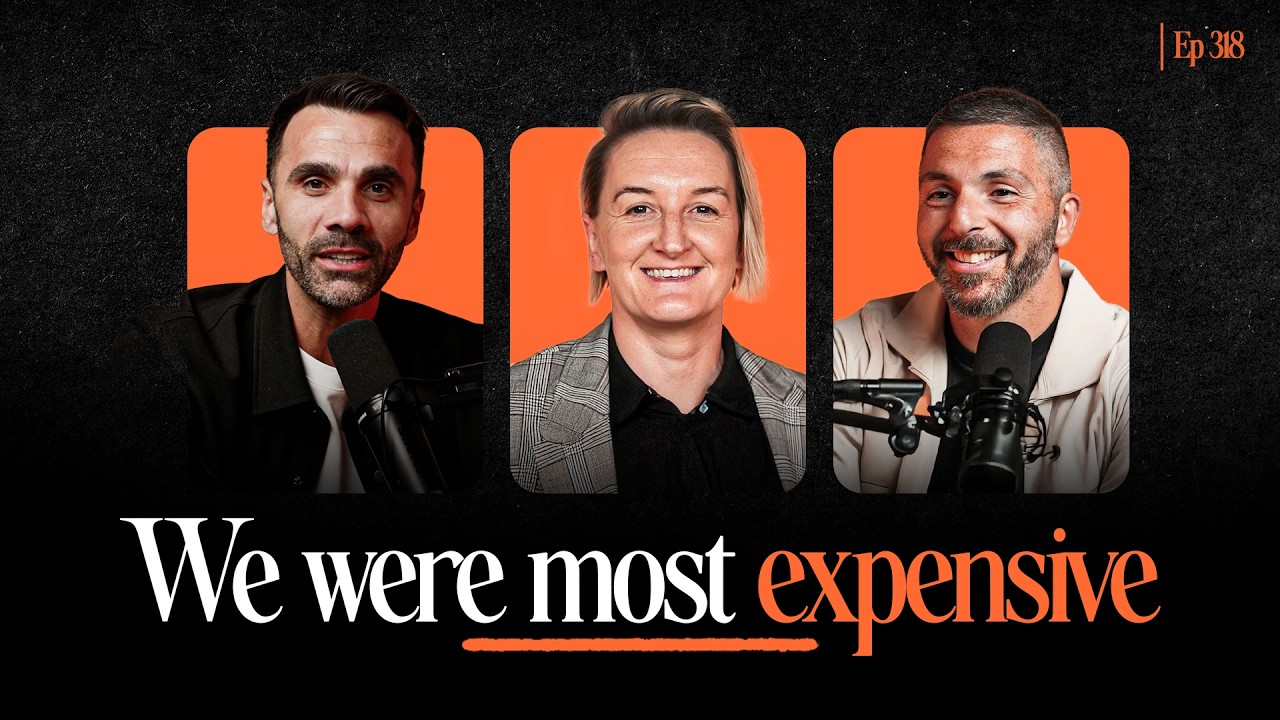
Ricavi won as the most expensive proposal on the table. The difference was discovery: 15-plus stakeholders, a roundtable, and a proposal built with the room.
Key takeaways
Nothing in the winning process was exotic. It’s that almost nobody executes it. “Typically at this stage we engage with other stakeholders” widened the group and took the risk off the champion’s decision.
Negative sentiment doesn’t disappear if you ignore it. A previous vendor’s theoretical, unactionable strategy had soured the room. Meeting them face to face let Luigi hear the live executive debate and answer inside it.
The draft move: deliver a draft recommendation, collect the anxieties, redesign it with them, and return. Critics become contributors.
Seek alignment explicitly, the Challenger discipline referenced on air. Misalignment surfaced early is a conversation. Surfaced late, it’s a lost deal.
Slow the process down. Close-date pressure never outranks clarity on problem, current state, future state, and who needs what to say yes.
It’s not what you sell. It’s how you sell.
What I found really interesting, we were the most expensive proposal that was put across the table.
Luigi Prestinenzi, co-founder, Ricavi
It’s not what you sell. It’s how you sell.
Luigi Prestinenzi, co-founder, Ricavi
What did the champion say afterwards?
Luigi Prestinenzi asked, because he wanted to know why they’d chosen Ricavi over the competition. The answer was the level of detail. The other vendors ran what Luigi calls surface discovery: a meeting, some basic questions to fit their offer, a proposal. Ricavi went deep on the problem statement. On where the company had been in the past 12 months and where it wanted to go. And on who inside the business needed to be part of the decision. The champion was struck by the phrase Luigi uses at that stage, which is that this is usually when he engages other people. It widened the conversation and it took the weight of the decision off one person’s shoulders.
What was the hard moment?
A room that had been burned. A previous consulting engagement had delivered a high-level go-to-market strategy with nothing executable in it, and the stakeholders who’d paid for it were sceptical of anyone offering the same category. Luigi’s choice was to ignore the sentiment or confront it. He asked the champion to convene a roundtable, 15 or 16 people in a city boardroom, in person. The tension was audible. Some executives weren’t aligned on the strategy at all, and they started debating it in front of him.
That’s the Challenger move Luigi references: ask the question that reveals misalignment and let it surface. Once it did, he was inside the conversation rather than pitching at it. He could hear the anxieties directly, acknowledge them, and offer a perspective.
How did the proposal get built?
Together. Ricavi delivered a draft recommendation, took the room’s feedback, redesigned it, and came back. The critics had contributed, so the acceptance was high. David Fastuca’s framing is that a brand-new company, unproven by some measures, beat a mature competitor and a lower price by running a process most sellers know and few follow. Luigi’s takeaway is one instruction: don’t rush from meeting to proposal. The close date is not the point. The clarity is.
Questions this episode answers
How do you win a deal against a cheaper competitor?
Out-discover them. Engage the full buying group, confront objections in the open, and build the proposal with the committee so they own it. Price becomes one input among several rather than the deciding one.
How many stakeholders should sales discovery involve?
As many as the decision genuinely touches. This deal involved more than 15 people between first meeting and decision, and the champion said that breadth was a reason to buy.
What is a draft proposal approach?
Presenting a draft recommendation to the buying group, collecting their concerns, redesigning it with their input, and returning with the final. It converts sceptics into contributors.
Share article
Turn meetings
into revenue.
Coach every rep, capture every call, and know exactly what's going to close.
We offer hands on onboarding
“Ricavi is the AI sales platform that coaches your team in real time. Our customers see 7.8x pipeline growth in under 90 days.”
David Fastuca
CEO & Co-Founder
