Most deals need five or more follow-ups and 44 percent of sellers stop after one. Go multi-channel and run insight and relationship tracks together.

Key takeaways
Everyone responds on a different channel. David’s procurement deal at his last company went email, LinkedIn, phone, SMS. The text got the reply and became the main channel for the whole deal.
Text is read within minutes. Use it to redirect to the channel you need.
Run two tracks. A cadence built on needs the buyer hasn’t recognised yet, and a relationship built on engaging with what they post and care about. A $20 donation to a prospect’s fundraiser built more trust than any sequence step.
Follow the give, give, ask ratio, like a social feed that shows you three things you want before one sponsored post.
When a deal goes quiet after proposal, work the buyer’s stated timeline and drop the scarcity. Pair a calendar suggestion on one channel with a no-ask value share on another.
Breakup emails with takeaway theatrics don’t work on secure buyers. A respectful pause plus periodic genuine value does. Nurtured non-buyers return a year later as deals that look like seven-minute wins.
About 80 percent of deals require a minimum of five follow-ups, but 44 percent of people give up after the first attempt.
Regan Barker, co-founder, Ricavi
It looks like a seven-minute deal in the CRM, but it’s actually been a 12-month deal. It just hasn’t required a lot of effort.
David Fastuca, co-founder and CEO, Ricavi
Why do most follow-up sequences die after touch two?
Because sellers confuse persistence with pestering, then quit to avoid feeling like a pest. Regan Barker lays out the numbers she’s collected: five follow-ups minimum for most deals, eight touches in one study, 17 or 18 in a Forrester figure from a few years back. The important qualifier is that those touches mix human and non-human. A call, an email, a LinkedIn comment, a newsletter, an event. David Fastuca once presented an 18-step sequence on stage and watched the audience’s eyes widen. His reasoning is simple. He might miss your email and live on LinkedIn, or ignore LinkedIn and pick up the phone. You don’t know until you try the channel.
What does good follow-up feel like on the receiving end?
Like someone paying attention. Regan runs two races concurrently. The first is the cadence, built on insight the buyer hasn’t seen yet and offered with no obligation. The second is the relationship. She hits the notification bell on a target’s profile, engages with what they post, and looks for real common ground. The fundraiser donation wasn’t a tactic. It was a shared cause, and it changed the temperature of the relationship in a way no template could.
David’s rule for the cadence is a ratio. Give, give, ask. It’s the same logic that makes a social feed tolerable.
How do you follow up after a proposal goes quiet?
Without scarcity. Regan has a live deal where the decision maker is stretched and warned her it would be slow. Her follow-up referenced that, suggested a face-to-face in a few weeks around both their travel, and left it there. On another channel she sends a relevant episode with no ask. David’s breakup email is just as calm: it feels like the timing’s off, I’ll stay in touch. Then a task reminder to share something worth reading, and only when there’s something worth reading. That’s how his company started working with Regan’s firm. Luigi Prestinenzi stayed in contact when the timing was wrong, and was the obvious call when it was right.
Questions this episode answers
How many follow-ups does a B2B deal take?
A minimum of five for about 80 percent of deals, per figures discussed on the episode. Total touches before a first response commonly run from eight to 17 across human and non-human channels.
Should you send a breakup email?
Skip the theatrics. A short, respectful note that the timing seems off, followed by occasional genuine value with no ask, keeps the relationship alive without the ick.
What’s the best channel for sales follow-up?
Whichever one the buyer answers. Test email, LinkedIn, phone, and text, then stay on the channel that gets a reply.
Share article
Turn meetings
into revenue.
Coach every rep, capture every call, and know exactly what's going to close.
We offer hands on onboarding
“Ricavi is the AI sales platform that coaches your team in real time. Our customers see 7.8x pipeline growth in under 90 days.”
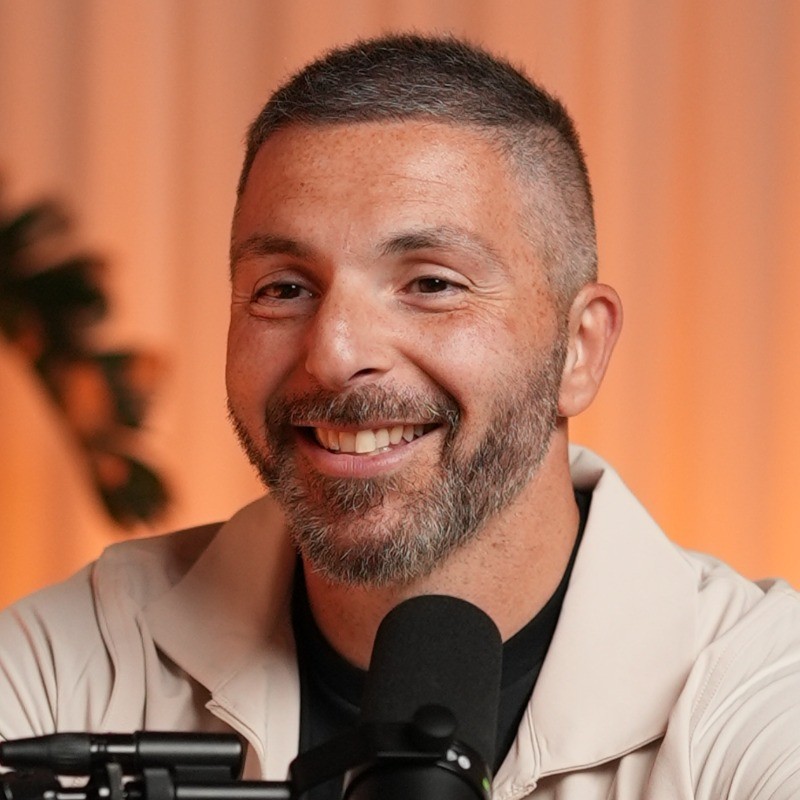
David Fastuca
CEO & Co-Founder
